Find an OT for a Functional Capacity Assessment
Connected with a practice that does NDIS functional capacity assessments.
- Free
- No obligation
- Ahpra registered

We share your details with one provider at a time, never a list. Privacy policy
What Is a Functional Capacity Assessment?
A functional capacity assessment (FCA) looks at how disability affects what a person can do day to day, at home, at work and in the community. For the NDIS it's done by a qualified occupational therapist, physiotherapist, psychologist or medical specialist, across six areas: communication, learning, mobility, self-care, self-management and social interaction.
The written report is evidence for the NDIA. It can support an access request, a plan reassessment, or a request for SIL, SDA and other home and living supports. For participants it's usually paid from the capacity building budget, under improved daily living, up to the NDIA's price limits.
In workers' compensation and insurance, a functional capacity evaluation (FCE) is a different thing, about returning to work. This site is only about the NDIS and disability.
How it works
Three Steps to Talking With a Practice
Tell Us What the FCA Is For
Who it's for, their age, the purpose, funding, postcode and any deadline. About two minutes.
We Find a Practice
We pass your details to one occupational therapy or allied health practice that does FCAs and may have space.
They Get in Touch
The practice contacts you to talk about the assessment, where it happens, the cost and timing.
Your details only go to the practice we match you with. If they can't help, we'll find another. More about how it works
Everyday Life, Not Just a Diagnosis
An FCA looks at six areas of daily life: communication, learning, mobility, self-care, self-management and social interaction. Three of them, in pictures.
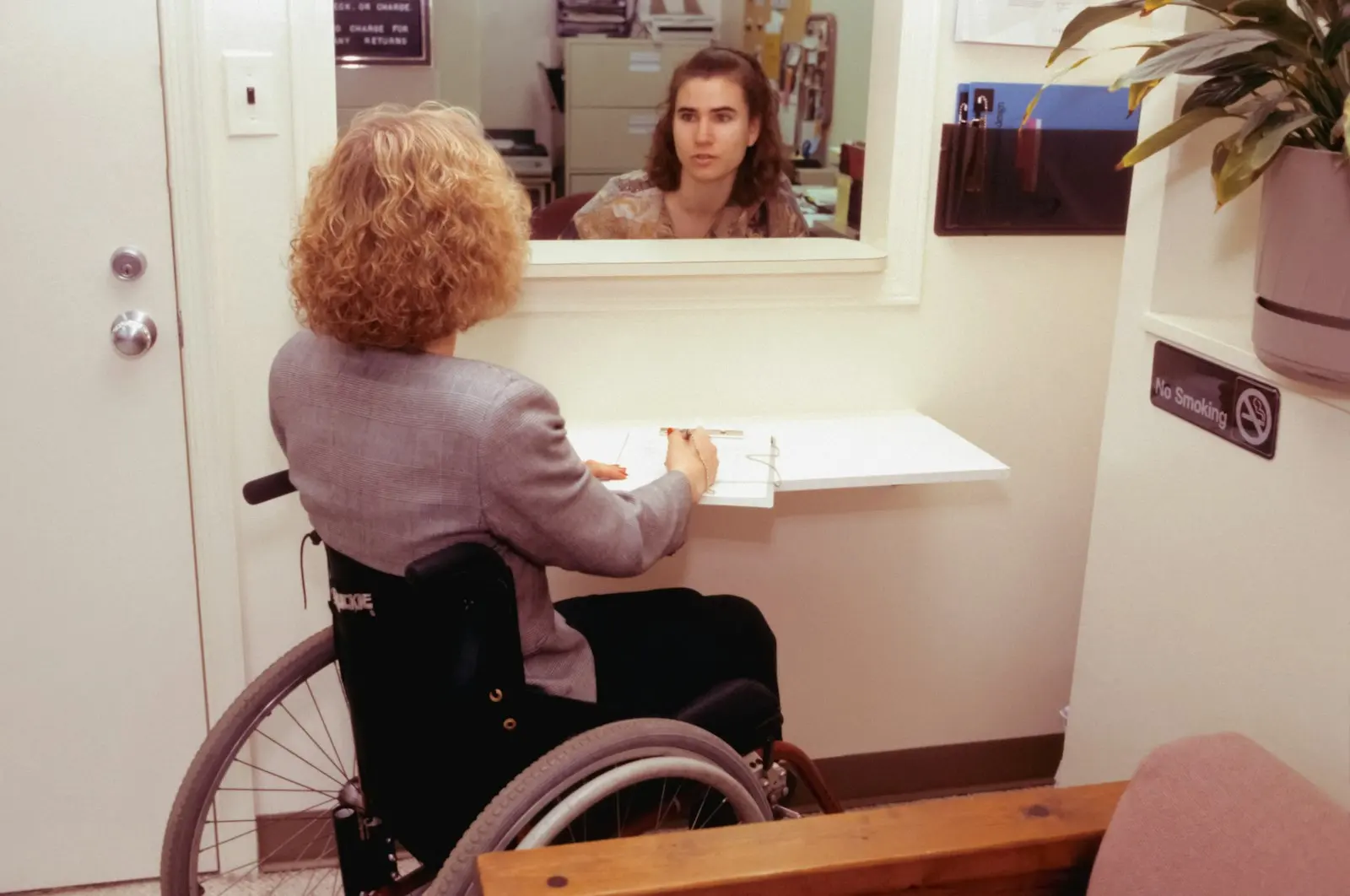
Self-Care
Getting ready for the day: dressing, bathing, grooming and eating.

Mobility
Moving around at home and out in the community, with or without aids.
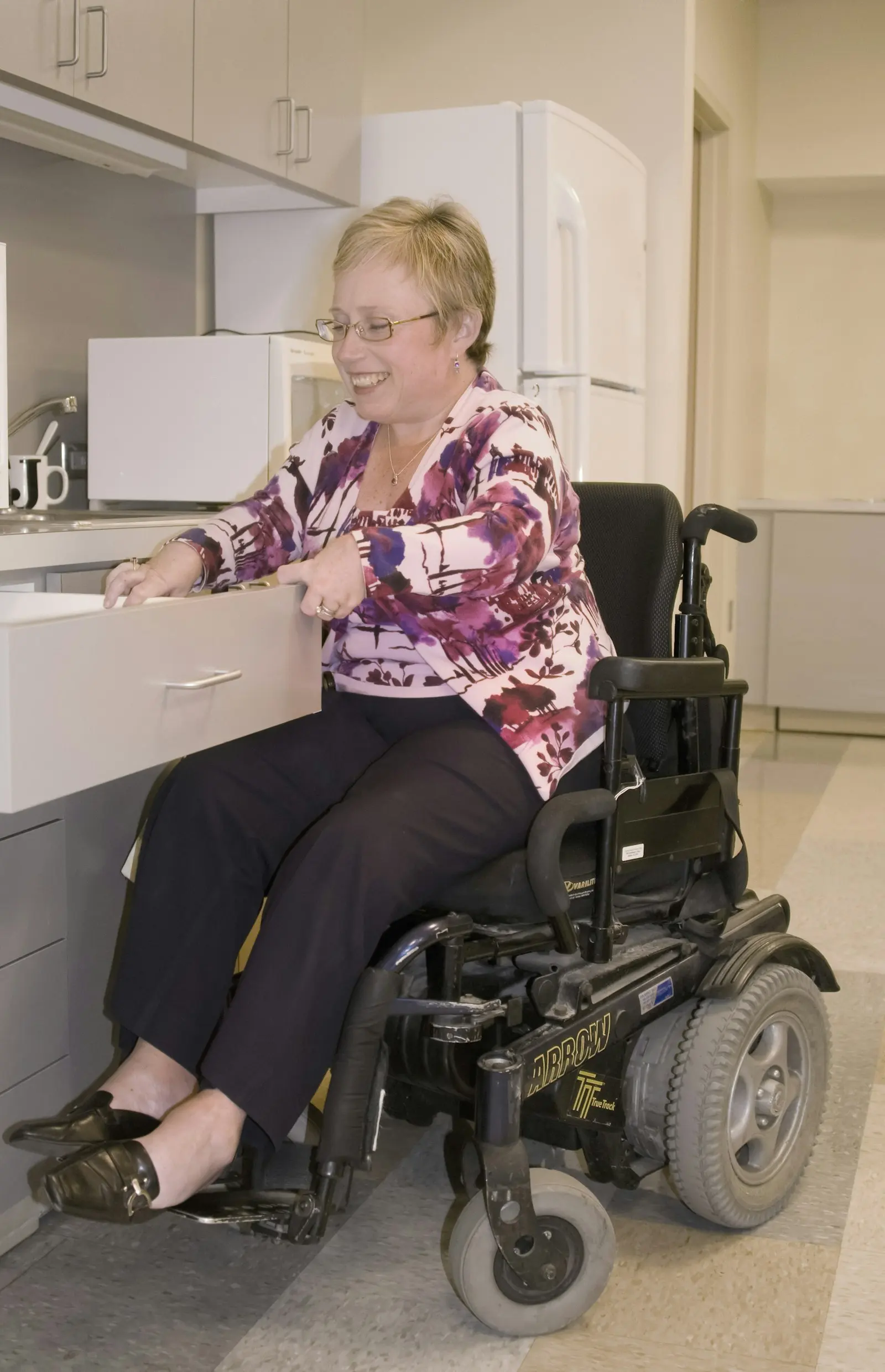
Self-Management
Running a household, routines, money, appointments and decisions.
FCAs Explained
Plain-English guides, checked against the NDIA's own pages and the NDIS Pricing Schedule.
- What is an FCA?What it covers, who does it, and how it differs from an insurance FCE.
- FCAs and the NDISHow the NDIA uses one, from access to your next plan.
- What an FCA assessesThe six areas of daily life and the tools the NDIA prefers.
- What an FCA costsThe 2026-27 price limits and which budget pays.
- The FCA reportWhat the NDIA looks for, and what to check before it goes in.
- FCAs for SIL and SDAThe home and living evidence the NDIA asks for.
What People Use an FCA For
The same assessment, written with a different question in mind. Tell the assessor which one it is.

Applying to the NDIS
Evidence of how disability affects daily life, for an access request.

A Plan That Fits
Showing what has changed, ahead of a check-in or plan reassessment.

Home, Equipment and Support
Evidence for SIL, SDA, assistive technology and home modifications.
For Participants and Families
The NDIA asked for evidence, a plan reassessment is coming up, or you're applying for the first time? Tell us once and we'll pass it to a practice that does FCAs, instead of you ringing around.
Get matchedFor Support Coordinators
Send the purpose, the participant's age, plan management and any deadline. We pass it to a practice that may have space and let you know who's picking it up.
Refer a participantHow We Choose Practices
We only pass your details to practices that meet all of these.
- Practitioners registered with Ahpra, checked on the public register
- Experience doing functional capacity assessments for the NDIS
- Taking new FCA referrals for the person's age group and area, or by telehealth
- Agree to contact you promptly, and we check that they did

How an FCA Is Funded
For NDIS participants, assessments usually come from the capacity building budget, under improved daily living. Practices charge by the hour, and for NDIA-managed and plan-managed funding an occupational therapist can charge up to $193.99 an hour in most of Australia under the 2026-27 Pricing Schedule.
More on FCA costsQuestions People Ask
Does it cost anything to use this service?
No. It's free for you. Practices pay us when we introduce them to someone, which is how we keep it free. The assessment itself is charged by the practice, within NDIS price limits if NDIS funding pays.
Are you the NDIS, or an OT practice?
Neither. functionalcapacityassessment.com.au is an independent service that connects people with practices that do functional capacity assessments. We're not part of the NDIA or the NDIS Quality and Safeguards Commission, and we don't do assessments ourselves.
Who does functional capacity assessments?
The NDIS names occupational therapists, physiotherapists, psychologists and medical specialists who are qualified to make the assessment. Occupational therapists do many of them.
Do I need an FCA to apply to the NDIS?
No, but the NDIA needs evidence of how disability affects daily life, and an FCA is one way to give it. Existing reports and letters from treating professionals count too.
Is this for workers' compensation or insurance assessments?
No. Those are usually called functional capacity evaluations (FCEs) and are about returning to work. This service is only for NDIS and disability assessments.
I'm a support coordinator. Can I refer someone?
Yes. Use the referral form, or choose coordinator in the questions above. Please make sure the participant or their nominee has agreed to the referral first.
Ready to Find an Assessor?
It takes about two minutes, and it's free.